
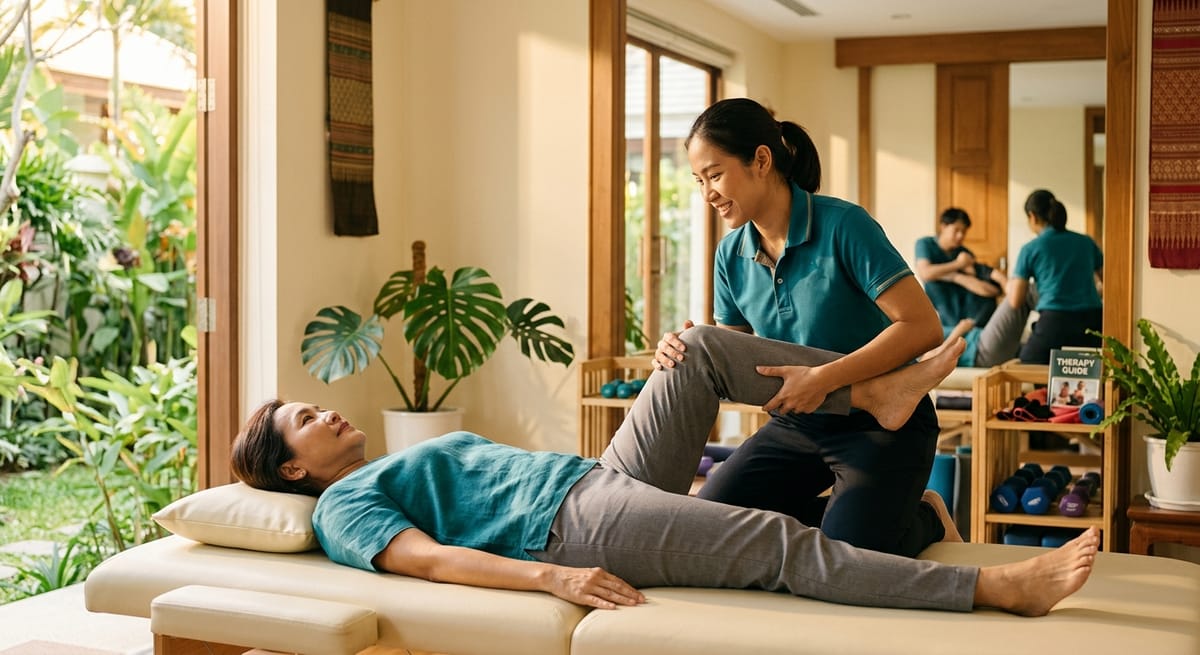
Cannabis for Multiple Sclerosis and Spasticity in Thailand: A Medical Guide
Spasticity is one of the most well-established and evidence-supported indications for medical cannabis. Among all the conditions treated with cannabis, MS-related spasticity has some of the strongest clinical evidence behind it — strong enough that a cannabis-derived pharmaceutical product, nabiximols (marketed as Sativex), has been approved in over 30 countries specifically for this purpose.
For the estimated 7,000-10,000 people living with multiple sclerosis in Thailand, and many more who experience spasticity from spinal cord injuries, stroke, or other neurological conditions, medical cannabis represents a meaningful treatment option. Thailand’s PT 33 system provides a legal pathway to access these products, and both Western-trained physicians and Traditional Thai Medicine practitioners can prescribe cannabis for spasticity and related symptoms.
This guide covers how cannabis works for spasticity, what products are available in Thailand, how to access treatment, and the practical considerations every patient should understand.
Important: Multiple sclerosis is a serious neurological condition requiring ongoing management by a qualified neurologist. Cannabis should be considered as a complementary therapy alongside — never as a replacement for — your core MS treatment plan. Always coordinate cannabis use with your neurologist.
Understanding Spasticity
Spasticity is a condition in which muscles become abnormally stiff, tight, or resistant to movement. It occurs when the normal communication between the brain and muscles is disrupted by damage to the central nervous system (brain and spinal cord).
What Spasticity Feels Like
People experience spasticity in different ways:
- Muscle stiffness — a constant feeling of tightness that makes movement difficult
- Muscle spasms — sudden, involuntary contractions that can be painful and unpredictable
- Clonus — rhythmic, involuntary shaking when a muscle is stretched
- Increased muscle tone — muscles feel unusually firm to the touch, even at rest
- Pain — from the muscle tightness itself, or from spasms pulling on joints and tendons
- Reduced range of motion — difficulty bending or straightening limbs fully
Spasticity can range from mild stiffness to severe, disabling contractions that interfere with walking, sleeping, personal care, and quality of life. For many patients, spasticity worsens over time as the underlying neurological condition progresses.
Conditions That Cause Spasticity
While this guide focuses primarily on MS-related spasticity, cannabis may benefit spasticity from several neurological conditions:
- Multiple sclerosis — the most studied condition for cannabis and spasticity
- Spinal cord injury — damage from trauma, tumors, or infections
- Stroke — post-stroke spasticity affects up to 40% of stroke survivors
- Cerebral palsy — lifelong spasticity from early brain injury
- Traumatic brain injury — spasticity following head trauma
- Neuromyelitis optica — an autoimmune condition affecting the spinal cord and optic nerves
Conventional Spasticity Treatments and Their Limitations
Before exploring cannabis, it helps to understand why many patients seek alternatives to conventional treatments:
Oral muscle relaxants:
- Baclofen — effective but causes drowsiness, weakness, and cognitive fog
- Tizanidine — similar side effects with additional dry mouth and dizziness
- Dantrolene — can cause liver toxicity with long-term use
- Diazepam — effective but carries risk of dependence and significant sedation
Other approaches:
- Intrathecal baclofen pump — surgically implanted device, effective but invasive
- Botulinum toxin injections — targeted but temporary (3-4 months), expensive, and limited to specific muscle groups
- Physical therapy — essential but does not always provide adequate symptom control alone
Many patients find that conventional treatments either do not control their spasticity adequately, cause intolerable side effects, or both. This is precisely the patient population in which cannabis has been studied most extensively.
How Cannabis Reduces Spasticity
The science behind cannabis and spasticity is among the most well-understood in cannabinoid medicine.
The Endocannabinoid System and Motor Control
The body’s endocannabinoid system (ECS) plays a critical role in regulating muscle tone and movement. CB1 receptors are densely concentrated in the brain regions responsible for motor control, including:
- The basal ganglia — coordinates voluntary movement and muscle tone
- The cerebellum — fine-tunes movement, balance, and coordination
- The spinal cord — where motor signals are transmitted to muscles
- The motor cortex — initiates voluntary movement
When the ECS is activated by cannabinoids, it modulates the release of neurotransmitters involved in muscle control. Specifically:
- GABA modulation — cannabinoids influence the release of GABA (gamma-aminobutyric acid), the brain’s primary inhibitory neurotransmitter. Enhanced GABA signaling reduces excessive muscle activation that causes spasticity.
- Glutamate regulation — cannabinoids help dampen excessive glutamate activity. Glutamate is an excitatory neurotransmitter, and too much of it can contribute to both spasticity and nerve damage in MS.
- Direct muscle relaxation — cannabinoids interact with receptors in muscle tissue itself, contributing to muscle relaxation independent of their central nervous system effects.
- Pain signal modulation — by reducing the pain that often accompanies spasticity, cannabis may break the pain-spasm-pain cycle where pain triggers more spasms, which in turn cause more pain.
Why a 1:1 THC:CBD Ratio Works
The most studied formulation for spasticity is a balanced 1:1 ratio of THC to CBD. This is the ratio used in nabiximols (Sativex), and there are good pharmacological reasons why this combination works:
- THC provides the primary muscle-relaxant effect through direct activation of CB1 receptors in motor circuits
- CBD modulates the side effects of THC, reducing anxiety, psychoactive intensity, and sedation while adding its own anti-inflammatory and neuroprotective properties
- CBD has independent anti-spastic effects through mechanisms that do not involve the CB1 receptor, including its influence on glycine receptors, which play a role in spinal motor neuron function
- The combination produces an entourage effect where the two cannabinoids together may be more effective than either one alone
This is why balanced THC:CBD products are typically recommended as first-line cannabis treatment for spasticity, before trying THC-dominant or CBD-dominant alternatives.
Nabiximols (Sativex): The Reference Product
Nabiximols, marketed under the brand name Sativex, is a whole-plant cannabis extract delivered as an oral spray. It was developed specifically for MS spasticity and has become the gold standard for understanding how cannabis helps this condition.
Key Facts About Nabiximols
- Composition: Each spray delivers 2.7 mg THC and 2.5 mg CBD (approximately 1:1 ratio)
- Approval: Approved in over 30 countries for MS spasticity, including the UK, Germany, Spain, Canada, Australia, and several others
- Delivery method: Oromucosal spray applied inside the cheek or under the tongue
- Maximum dose: Up to 12 sprays per day, though most patients find their optimal dose at 6-8 sprays
- Onset: 15-45 minutes
- Duration: 4-6 hours
What Clinical Trials Show
The clinical evidence for nabiximols in MS spasticity is robust. Multiple large-scale, randomized, placebo-controlled trials have demonstrated:
- Meaningful spasticity reduction in 40-50% of patients who did not respond adequately to conventional treatments
- Improvement in spasm frequency and severity as measured by patient-reported outcome scales
- Reduced pain associated with spasticity
- Improved sleep quality due to fewer nocturnal spasms
- Sustained benefit over long-term use without the dose escalation (tolerance) that is common with many muscle relaxants
- Acceptable safety profile with side effects that are generally mild and manageable
The typical trial design involved a 4-week period where patients tried nabiximols, followed by randomization of responders (those who experienced at least 20% improvement) into continued treatment or placebo groups. This approach identified the patients most likely to benefit.
Why Nabiximols Matters for Thai Patients
While nabiximols itself may not be widely available in Thailand, the extensive research behind it provides:
- A validated therapeutic model — the 1:1 THC:CBD ratio and gradual titration approach can be replicated using locally available cannabis oil products
- Dosing guidance — the well-studied dose range gives Thai practitioners a reference point for prescribing similar preparations
- Evidence of long-term safety — data from years of clinical use reassures both patients and practitioners
- A framework for treatment trials — the 4-week initial trial concept can be applied in Thai clinical practice to identify responders
Beyond Spasticity: Other MS Symptoms Cannabis May Help
One of the most compelling aspects of cannabis for MS patients is its potential to address multiple symptoms simultaneously. MS is a complex condition with a wide range of symptoms, and patients often take numerous medications, each targeting a single symptom. Cannabis may help simplify this picture.
Neuropathic Pain
Neuropathic pain is extremely common in MS, affecting up to 50-80% of patients at some point in their disease course. It can manifest as:
- Burning or shooting pain in the limbs
- Painful tingling or numbness
- Electric shock-like sensations (Lhermitte’s sign)
- Trigeminal neuralgia (severe facial pain)
Cannabis has strong evidence for neuropathic pain relief generally, and MS-related neuropathic pain specifically. Both THC and CBD contribute to pain relief through different mechanisms, making balanced products particularly useful.
For more on cannabis and pain management, see our comprehensive pain guide.
Bladder Dysfunction
Bladder problems affect approximately 75% of MS patients and can include:
- Urinary urgency — sudden, strong need to urinate
- Urinary frequency — needing to urinate much more often than normal
- Nocturia — waking multiple times at night to urinate
- Urinary incontinence — loss of bladder control
Clinical trials with nabiximols have shown improvements in bladder symptoms as a secondary outcome measure. The endocannabinoid system is present in the bladder and urinary tract, and cannabinoids may help regulate bladder muscle activity. Some patients report that cannabis is one of the most effective interventions for their bladder symptoms.
Sleep Disturbance
Poor sleep is nearly universal in MS, driven by:
- Nocturnal spasms that wake patients repeatedly
- Neuropathic pain that worsens at rest
- Bladder urgency requiring nighttime trips to the bathroom
- Anxiety and restless legs
Cannabis, particularly products containing THC, can improve sleep through multiple pathways: reducing spasms, relieving pain, calming bladder urgency, and promoting sleep onset through direct sedative effects. Many MS patients report that improved sleep is the first and most noticeable benefit of cannabis treatment.
Tremor and Ataxia
Some MS patients experience tremor (involuntary shaking) or ataxia (impaired coordination). The evidence for cannabis in MS tremor is mixed — some patients report meaningful improvement, while clinical trials have not consistently shown significant tremor reduction. This is an area where individual response varies considerably, and a trial period is the best way to determine whether cannabis helps.
Fatigue
MS-related fatigue is one of the most debilitating and difficult-to-treat symptoms. It differs from normal tiredness and can be overwhelming even after adequate sleep. The relationship between cannabis and fatigue is nuanced:
- Improved sleep quality from cannabis may reduce daytime fatigue indirectly
- Pain reduction may lessen the exhaustion that chronic pain causes
- CBD may have mild alerting properties at lower doses
- THC can cause drowsiness, which may worsen fatigue if used during the day
Managing fatigue with cannabis requires careful attention to dosing, timing, and product selection. Daytime use of CBD-dominant products and evening use of THC-containing products is a strategy many practitioners recommend.
Depression and Anxiety
Mood disorders are common in MS, with depression affecting up to 50% of patients over their lifetime. While cannabis is not a first-line treatment for depression, many patients find that:
- Symptom relief (less pain, better sleep, improved mobility) naturally improves mood
- CBD may have anxiolytic properties that help with MS-related anxiety
- THC at low doses may improve mood, though higher doses can increase anxiety in some individuals
Thai Clinical Experience and Available Products
How Thai Practitioners Approach Spasticity
Thai cannabis practitioners, including both Western-trained physicians and TTM practitioners, have developed practical experience with cannabis for spasticity. The general approach in Thailand mirrors international best practice:
- Assessment of spasticity severity, distribution, and impact on daily function
- Review of current medications and their side effects
- Selection of an appropriate cannabis product, typically starting with a balanced THC:CBD oil
- Gradual dose titration with regular follow-up to assess response
- Combination with physical therapy and other rehabilitation approaches
Available Products in Thailand
Thailand has several categories of cannabis products suitable for spasticity management:
Government Pharmaceutical Organization (GPO) Cannabis Oil: The most affordable option, available at government hospitals and some licensed clinics. GPO produces several formulations, and practitioners can select the THC:CBD ratio closest to the patient’s needs.
Licensed Cannabis Oils from Private Producers: Several licensed Thai companies produce cannabis oils in various THC:CBD ratios. A 1:1 balanced product is the recommended starting point for spasticity. These are available at licensed dispensaries and clinics with a PT 33 prescription.
Topical Products (Balms and Liniments): Cannabis-infused topicals can be applied directly to muscles affected by spasticity. While they do not address the central nervous system component of spasticity, they may provide localized muscle relaxation and pain relief. Thai traditional medicine topicals, including herbal balms containing cannabis, have a long history of use for muscle conditions.
Dried Flower: Available with a PT 33 prescription for patients who prefer inhalation. Vaporized or smoked cannabis provides the fastest onset of action (5-15 minutes), making it useful for breakthrough spasms that need immediate relief. However, flower is less precise for daily maintenance dosing.
Product Selection by Symptom
| Primary Symptom | Recommended Product | Ratio | Notes |
|---|---|---|---|
| General spasticity | Oral oil (sublingual) | 1:1 THC:CBD | First-line, based on nabiximols model |
| Severe spasticity | Oral oil | 2:1 THC:CBD | For patients needing stronger muscle relaxation |
| Localized stiffness | Topical balm + oral oil | Any | Topical for targeted relief |
| Breakthrough spasms | Vaporized flower | Balanced strain | Fast onset for acute episodes |
| Nighttime spasms | Oral oil (evening dose) | THC-dominant | Sedative properties help sleep |
| Pain-dominant picture | Oral oil | 1:1 or 2:1 THC:CBD | Address pain and spasticity together |
| Mild spasticity | CBD oil | CBD-dominant | Minimal psychoactive effects |
Traditional Thai Medicine Perspective
Wind Element and Muscle Conditions
In Traditional Thai Medicine, spasticity and muscle stiffness are often understood through the framework of the wind element (ธาตุลม, that lom). The wind element governs movement throughout the body, and when wind becomes trapped, excessive, or imbalanced, it can manifest as:
- Muscle stiffness and rigidity
- Involuntary muscle contractions
- Pain that moves or radiates
- Numbness and tingling
- Tremor and restlessness
From the TTM perspective, cannabis is a warming herb that helps move stagnant wind, release trapped energy from muscles and tendons, and restore proper flow throughout the body’s energy pathways (เส้นประธานสิบ, the ten principal sen lines).
Traditional Formulations
Traditional Thai cannabis preparations for muscle conditions include:
- Cannabis-infused massage oils — used by traditional practitioners for deep tissue work on spastic muscles
- Herbal compresses (ลูกประคบ) — warm compresses containing cannabis alongside other herbs like turmeric, lemongrass, and camphor, applied to stiff muscles
- Traditional cannabis-containing formulas recognized by DTAM — several of the 16 officially recognized formulas were historically used for muscle relaxation and pain relief
Modern TTM practitioners integrate this traditional understanding with contemporary knowledge of the endocannabinoid system, offering patients a holistic approach that considers both physical symptoms and energetic balance.
Complementary Thai Therapies
TTM practitioners may combine cannabis treatment with other traditional therapies:
- Thai massage (นวดไทย) — can help lengthen spastic muscles and improve range of motion
- Herbal steam baths (อบสมุนไพร) — heat and herbal compounds help relax muscles
- Thai herbal medicines — other herbs traditionally used for muscle conditions may complement cannabis
- Sen line work — targeted energy pathway work to address areas of stagnation
PT 33 Access Process for Spasticity Patients
Spasticity and related neurological conditions qualify for a PT 33 medical cannabis prescription in Thailand. For the complete step-by-step process, see our PT 33 Prescription Guide.
Consultation Process
- Find a licensed practitioner — search our clinic directory for a clinic near you with experience in neurological conditions
- Prepare your medical records — bring documentation of your MS or spasticity diagnosis, current medications, and treatment history
- Attend your consultation — the practitioner will assess your condition, review your medications, and determine whether cannabis is appropriate
- Receive your PT 33 prescription — if approved, you will receive a PT 33 document valid for up to 30 days
- Purchase your products — either from the prescribing clinic or another licensed dispensary
Costs to Expect
- Consultation fee: 300-1,500 THB depending on the clinic
- Cannabis oil (1:1 THC:CBD): 400-2,000 THB per bottle depending on the product and source
- GPO cannabis oil: Typically 200-800 THB, the most affordable option
- Topical products: 200-800 THB
- Dried flower: 200-600 THB per gram
- Follow-up consultations: Some clinics offer reduced rates for return visits
Government hospitals tend to offer the lowest prices for both consultations and products. Some private clinics include the consultation fee in the product price.
What to Tell Your Practitioner
Be prepared to describe:
- When your spasticity symptoms started and how they have progressed
- Which muscles or body regions are most affected
- How spasticity affects your daily activities (walking, dressing, sleeping)
- What medications you currently take and their side effects
- Any previous experience with cannabis
- Your goals for treatment (better mobility, less pain, improved sleep)
Dosage Guidance for Spasticity
Starting Protocol
The most well-supported dosing approach for spasticity mirrors the nabiximols titration schedule:
Week 1:
- Day 1: 2.5 mg THC + 2.5 mg CBD in the evening
- Day 2: 2.5 mg THC + 2.5 mg CBD in the evening (same dose)
- Day 3-4: Add a second dose (2.5 mg THC + 2.5 mg CBD) in the morning if tolerated
- Day 5-7: Maintain two doses daily, assess response
Week 2:
- If spasticity improvement is partial, increase each dose to 5 mg THC + 5 mg CBD
- Some patients benefit from adding a midday dose
- Continue to assess response and side effects
Week 3-4:
- Continue gradual titration as needed
- Most patients find their optimal dose within this period
- Target is the lowest dose that provides meaningful symptom relief
Maintenance Dosing
Once you find your effective dose, maintain it consistently:
- Typical maintenance range: 5-15 mg THC + 5-15 mg CBD per dose, taken 2-3 times daily
- Maximum daily dose: Based on nabiximols data, up to approximately 32 mg THC + 30 mg CBD per day, though most patients need less
- Consistency matters: Take doses at regular times for the most stable spasticity control
- Adjust for activity: Some patients take an additional dose before physiotherapy or activities that provoke spasms
Assessing Your Response
A 4-week initial trial is the standard approach to determine whether cannabis helps your spasticity. During this period:
- Track your spasticity daily using a simple 0-10 scale
- Note spasm frequency — how many spasms per day, and their severity
- Record functional improvements — can you walk further, sleep better, perform daily tasks more easily?
- Document side effects — drowsiness, dizziness, dry mouth, or other concerns
If you do not experience at least 20% improvement in your spasticity after 4 weeks at an adequate dose, cannabis may not be the right treatment for you. Discuss alternative approaches with your practitioner.
Tolerance and Long-Term Use
An encouraging finding from long-term nabiximols studies is that patients generally do not develop significant tolerance to the anti-spastic effects. Unlike many conventional muscle relaxants, where increasing doses are needed over time, cannabis appears to maintain its effectiveness at stable doses for extended periods. Some patients have used cannabis for spasticity for years without needing to increase their dose.
Drug Interactions With MS Medications
Cannabis can interact with several medications commonly used by MS patients. Always discuss your complete medication list with your cannabis practitioner.
Muscle Relaxants
- Baclofen — cannabis may enhance the muscle-relaxant and sedative effects of baclofen. This can be therapeutic (better spasticity control) but also increases the risk of excessive drowsiness and weakness. Your practitioner may recommend reducing your baclofen dose when starting cannabis. Never stop baclofen abruptly, as this can cause dangerous withdrawal symptoms.
- Tizanidine — similar additive sedation risk. Tizanidine also lowers blood pressure, and cannabis (particularly THC) can do the same, increasing the risk of dizziness upon standing.
- Dantrolene — theoretical additive muscle relaxation. Dantrolene can affect liver function, and cannabis is metabolized by the liver, so liver function monitoring may be advisable.
- Diazepam and other benzodiazepines — significant additive sedation. Use this combination with extreme caution and only under close medical supervision.
Disease-Modifying Therapies
- Interferons (interferon beta-1a, interferon beta-1b) — no significant direct interactions are known, but both cannabis and interferons can affect mood. Monitor for depression or mood changes.
- Dimethyl fumarate (Tecfidera) — no known direct interactions, though both may cause gastrointestinal symptoms. Take cannabis oil with food if nausea occurs.
- Glatiramer acetate (Copaxone) — no significant interactions expected.
- Fingolimod (Gilenya) — fingolimod can cause a slow heart rate, and THC can also affect heart rate. Monitor heart rate when starting cannabis if you take fingolimod.
- Natalizumab (Tysabri) — no known significant interactions.
- Ocrelizumab (Ocrevus) — no known significant interactions.
Symptom Management Medications
- Modafinil or amantadine (for fatigue) — cannabis THC may counteract the wakefulness effects of these medications. Consider timing your THC dose for the evening and using CBD-dominant products during the day.
- Gabapentin or pregabalin (for neuropathic pain) — additive drowsiness and dizziness. Start cannabis at the lowest dose and titrate slowly.
- Oxybutynin or solifenacin (for bladder) — additive dry mouth. Cannabis may actually help bladder symptoms, so you may eventually be able to reduce these medications under medical guidance.
- Antidepressants (SSRIs, SNRIs) — THC may interact with serotonergic medications. Start low and monitor mood carefully.
- Fampridine (Ampyra, for walking) — fampridine lowers seizure threshold, and the interaction with cannabis in this context is not well studied. Use with caution and discuss with your neurologist.
General Interaction Principles
- Start low and titrate slowly when adding cannabis to an existing medication regimen
- Monitor for excessive sedation — this is the most common interaction effect
- Inform all your doctors about your cannabis use, including your neurologist
- Do not stop or reduce existing medications without discussing with the prescribing physician
- Keep a symptom diary that includes all medications and cannabis doses
Physical Therapy and Complementary Approaches
Cannabis works best for spasticity when combined with physical therapy and rehabilitation. The two approaches complement each other effectively.
Why Physical Therapy and Cannabis Work Well Together
- Cannabis reduces muscle tone and pain, making stretching and exercise more effective and less painful
- Physical therapy maintains range of motion and prevents contractures that cannabis alone cannot address
- Exercise triggers the release of natural endocannabinoids, which may enhance the effects of cannabis
- Active rehabilitation builds functional strength, while cannabis manages the symptoms that limit participation in therapy
Timing Cannabis With Physiotherapy
Many patients find it helpful to take their cannabis dose 30-60 minutes before a physiotherapy session. This allows the muscle-relaxant effects to be at their peak during therapy, when muscles are being stretched and exercised. Discuss this timing strategy with both your cannabis practitioner and physiotherapist.
Complementary Approaches for MS Spasticity
- Aquatic therapy (hydrotherapy) — warm water reduces muscle tone and provides support for exercise. Cannabis before pool therapy can enhance muscle relaxation, but ensure you have adequate supervision due to potential dizziness.
- Yoga and gentle stretching — regular stretching is essential for spasticity management. Cannabis may make stretching more comfortable and effective.
- Thai massage (นวดไทย) — can help lengthen muscles and improve circulation. Inform your massage therapist about your cannabis use, as you may have reduced pain awareness.
- Meditation and mindfulness — stress and anxiety worsen spasticity. Mind-body practices help manage the stress component.
- Heat therapy — warm baths, herbal compresses, or heating pads can complement the muscle-relaxant effects of cannabis.
- Acupuncture — some MS patients report benefit for spasticity and pain. Can be safely combined with cannabis treatment.
When Cannabis Is Not Appropriate or Requires Extra Caution
Cannabis is not suitable for every MS patient with spasticity. Exercise caution or avoid cannabis in these situations:
Do Not Use Cannabis If You Have
- Active psychosis or a history of schizophrenia — THC can trigger or worsen psychotic episodes
- Severe cardiovascular disease — THC can affect heart rate and blood pressure
- Known allergy to cannabis — rare but possible
- Pregnancy or breastfeeding — safety has not been established
Use With Extra Caution If You Have
- Significant cognitive impairment from MS — THC may worsen cognitive symptoms. Consider CBD-dominant products if cognition is a concern.
- Severe balance problems or high fall risk — THC can impair coordination. Start with very low THC doses and ensure a safe environment, especially at night.
- History of substance use disorder — while cannabis has a lower addiction potential than many medications, patients with substance use history should be monitored more closely.
- Depression — while many MS patients find cannabis improves their mood through symptom relief, high-dose THC can worsen depression in some individuals. Monitor mood carefully and discuss any changes with your practitioner.
- Bladder retention — while cannabis helps many bladder symptoms, THC may occasionally worsen urinary retention. Report any changes in bladder function.
Situations That Require Medical Evaluation First
If you experience any of the following, see your neurologist before starting or continuing cannabis:
- A new MS relapse (exacerbation) with new or worsening neurological symptoms
- Rapidly worsening spasticity that may indicate disease progression
- New or worsening weakness, vision changes, or cognitive decline
- Fever or infection, which can temporarily worsen spasticity (pseudoexacerbation)
Practical Tips for MS Patients Using Cannabis
Timing Your Doses
- Morning: Consider a CBD-dominant product to manage daytime stiffness without sedation or cognitive effects
- Afternoon: A balanced 1:1 THC:CBD product if spasticity increases during the day
- Evening: A THC-containing product to address nighttime spasms and improve sleep
- Before physiotherapy: Time your dose 30-60 minutes before sessions for optimal muscle relaxation
- Before activities: If certain activities provoke spasms (such as transfers, dressing, or walking), a dose timed beforehand may help
Managing Daily Activities
- Plan demanding activities for when your cannabis dose is most effective
- Use a consistent daily routine — taking cannabis at the same times each day provides more predictable symptom control
- Keep a symptom diary including spasticity levels, cannabis doses, other medications, sleep quality, and functional abilities
- Prepare your doses in advance — if hand function is limited, ask a caregiver to help with measuring oil doses
Falls Prevention
Spasticity combined with cannabis use (particularly THC) creates an elevated fall risk. Take these precautions seriously:
- Start cannabis when you have support available — have someone with you for the first few days to assess your response
- Use mobility aids consistently — do not abandon your cane, walker, or wheelchair just because spasticity feels reduced
- Be cautious on stairs — spasticity reduction may change how your legs respond, and the adjustment period can be unpredictable
- Stand up slowly — cannabis can cause orthostatic hypotension (blood pressure drop on standing)
- Avoid cannabis before driving — THC impairs coordination and reaction time. Driving under the influence is illegal in Thailand.
- Night safety — ensure a clear path to the bathroom, use night lights, and consider a bedside urinal if nocturia is an issue
Heat Sensitivity (Uhthoff’s Phenomenon)
Many MS patients experience worsening symptoms in hot weather, a phenomenon known as Uhthoff’s. If you are heat-sensitive:
- Cannabis does not typically worsen heat sensitivity, but be aware that outdoor cannabis use in Thailand’s tropical climate may coincide with heat-related symptom worsening
- Stay hydrated, as cannabis can cause dry mouth and may reduce awareness of thirst
- Schedule outdoor activities and cannabis use for cooler parts of the day
Travel Considerations
- Cannabis products cannot be taken out of Thailand — plan accordingly for international travel
- Within Thailand, keep your PT 33 document with you when carrying cannabis products
- Inform travel companions about your cannabis regimen in case of emergency
- Bring enough product for your trip duration, as cannabis may not be available in all areas of Thailand
Getting Started
If you are living with MS or spasticity in Thailand and want to explore medical cannabis:
- Discuss with your neurologist first — ensure cannabis is compatible with your current treatment plan
- Find a licensed cannabis practitioner through our clinic directory or ask your neurologist for a referral
- Bring your medical records including your MS diagnosis, MRI reports, current medication list, and documentation of spasticity severity
- Be prepared for a trial period — commit to 4 weeks of consistent use to properly assess whether cannabis helps
- Combine with physiotherapy — cannabis works best alongside active rehabilitation
- Attend follow-up appointments — regular assessment helps optimize your treatment
For more information on qualifying conditions and the PT 33 process, see our guides on conditions that qualify for PT 33 and the PT 33 prescription process.
Medical Disclaimer
This guide is provided for educational purposes only and does not constitute medical advice. The information presented here is based on published clinical evidence and general clinical experience, but individual responses to cannabis vary significantly.
Multiple sclerosis is a serious neurological condition. Cannabis should only be used as a complementary therapy under the supervision of qualified medical practitioners. Never stop or reduce your prescribed MS medications without consulting your neurologist.
Cannabis is not appropriate for everyone, and the decision to use medical cannabis should be made in consultation with a healthcare provider who understands both your MS condition and cannabis medicine. The authors and Cannabis for Thailand are not responsible for individual treatment decisions or outcomes.
All cannabis products containing more than 0.2% THC require a valid PT 33 prescription in Thailand. Comply with all applicable Thai laws regarding cannabis possession and use.
More on medical cannabis in Thailand: start with the pillar guide to medical cannabis in Thailand for the legal status, costs and access routes, and the PT 33 prescription guide for the form itself.
Frequently Asked Questions
Is cannabis effective for MS-related spasticity?
What ratio of THC to CBD is best for spasticity?
Can cannabis help with other MS symptoms besides spasticity?
Will cannabis interact with my MS medications?
Cannabis for Thailand
Cannabis for Thailand